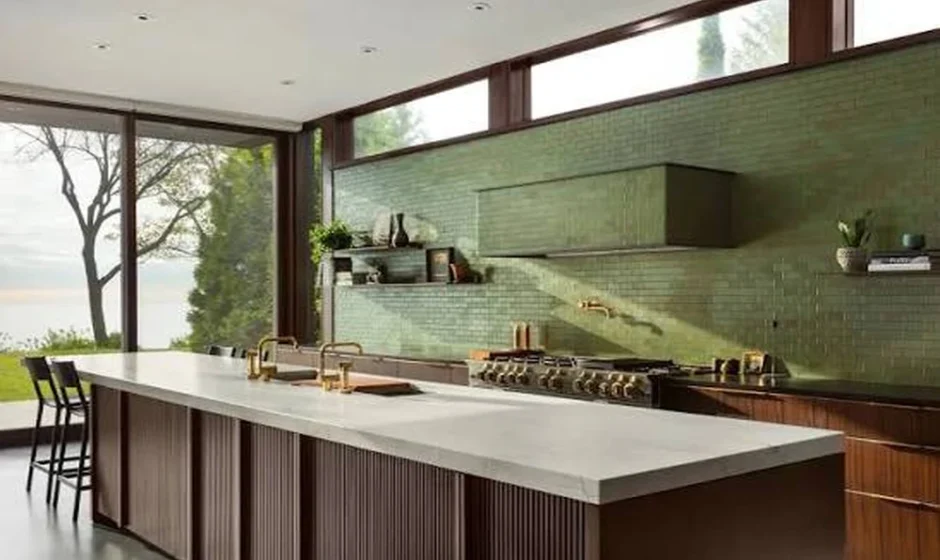

Imagine a kitchen that works just as beautifully in ten years as it does today, where every detail, down to the layout and materials, reflects thoughtful decisions about the planet and the people who use it. This is not an unreachable ideal; it is the daily reality of sustainable kitchen design, a movement quietly transforming how we live, cook, and gather.
Sustainability in Kitchen Design: Traditional vs. Modern Approaches
In most homes, the kitchen is a workhorse, but conventional kitchen design has often focused on visual trends and maximizing initial impact. Classic layouts may prioritize aesthetics or out-of-the-box solutions, which can lead to spaces that look dated or fail to meet the evolving demands of family life. Material choices often lean toward what is popular or affordable, without considering long-term impact.
Contrast this with modern sustainable kitchen design. Here, every choice is guided by longevity, user health, and respect for resources. The aim is not only to reduce environmental harm but to create kitchens that adapt to changing routines and last for generations.
Materials Matter: Comparing Conventional and Sustainable Choices
Particleboard cabinets, plastic laminates, and chemically treated countertops might look pristine at first, but they present hidden costs. Off-gassing, poor durability, and landfills filling with discarded cabinetry all come with a heavy environmental price.
Sustainable alternatives are rewriting this script:
– Solid wood from responsibly managed forests
– Recycled glass or stone countertops
– Low-VOC paints and finishes
– Hardware made from recycled metals
Each brings its own set of benefits and challenges. While some eco-friendly options require higher upfront investment or specific care, they repay in durability, lower toxic exposure, and a smaller carbon footprint over time.
In regions like Laval, forward-thinking projects are setting benchmarks. For example, a rénovation cuisine Askal Intérieurs Laval leverages durable materials and custom solutions, demonstrating how local expertise can achieve high performance without sacrificing style.
Functional Layouts: Efficiency in Everyday Use
Typical kitchen layouts tend to follow templates: galley, L-shaped, or U-shaped. Though familiar, these setups can lead to wasted space or inefficient workflow, especially as family needs shift.
Sustainable design refines the equation. Every square foot is scrutinized for functionality and adaptability. Smart storage eliminates clutter. Zones are established for prep, cooking, and cleanup, which minimizes wasted energy (literally and figuratively). Flexible shelving and multi-use islands offer resilience as household routines or technologies change, ensuring your space stays useful and inviting for years.
Design Aesthetics: Timelessness vs. Trends
Trends can be tempting, matte black fixtures, open shelving, statement backsplashes, but their cycle is short. Before long, yesterday’s must-haves become today’s quick-fix renovation regrets.
Sustainable design takes a different path. The focus is on shapes, colors, and materials that transcend fashion. Natural textures, neutral palettes, and quality craftsmanship anchor the kitchen visually and emotionally. In practice, this means less frequent remodeling, less waste, and a room that feels as fresh ten years from now as it did the day it was finished.
Project Management: Standard Renovation vs. Turnkey Sustainable Solutions
The process of traditional kitchen renovation can feel fragmented, multiple contractors, shifting timelines, and, often, miscommunication. Mistakes and mismatched finishes are common pitfalls.
Turnkey sustainable renovation providers streamline this complexity. From the first conversation to final installation, the client is guided through material selection, design adaptation, and logistics. This hands-on approach is not just about convenience. It is about ensuring that sustainability goals are met without compromise, and that every aspect, from resource use to project waste, is handled with care.
Installation and Longevity: Quality Control and Environmental Responsibility
Cutting corners at installation time often reduces a kitchen’s lifespan, leading to repairs or early replacement. Environmental costs pile up when waste is not managed or when poor fit demands new materials.
Sustainable projects insist on precision. Installers coordinate with designers, suppliers, and clients, ensuring minimal waste and a perfect fit. Salvageable materials are recycled or rehomed. The result is a kitchen that stands the test of time, both structurally and stylistically.
Cost Considerations: Upfront Investment vs. Long-Term Savings
Sustainable kitchens may come with a higher initial price tag, largely due to the quality of materials and tailored design. Traditional kitchens might appear less expensive, but the need for premature replacement, higher energy use, or health-related costs can shift the equation.
| Renovation Type | Initial Cost | Lifespan (years) | Typical Maintenance | Energy Savings |
|———————-|————–|——————|——————–|—————|
| Traditional Kitchen | $$ | 10-15 | High | Minimal |
| Sustainable Kitchen | $$$ | 20-30+ | Low | Significant |
Consider the long view: energy-efficient appliances, durable finishes, and smart layout choices consistently pay for themselves through lower utility bills, reduced maintenance, and better resale value.
Future Trends: Innovations Shaping Sustainable Kitchen Design
The kitchen of tomorrow is taking shape today. Smart appliances that optimize water and energy use, modular cabinetry designed for disassembly and recycling, and materials sourced through closed-loop manufacturing are transforming what’s possible. Designs are shifting toward flexible layouts that anticipate lifestyle changes, accommodating remote work, family expansion, or accessibility needs.
Ultimately, sustainable kitchen design is not just about saving the planet. It’s about crafting spaces that support daily life, respect personal tastes, and feel just right for years to come.