
If you live in the San Fernando Valley, you already know the weather doesn’t do things halfway. Summer afternoons regularly push past 100°F, and winter nights can dip cold enough to make a cozy home feel like a necessity. Your heating and cooling equipment works hard in both extremes, which makes it worth understanding.
This guide explains how the Valley’s climate affects HVAC systems, how to spot trouble early, and which habits keep your home comfortable without inflating your bills.
Many homeowners wait until a system quits on the hottest day of the year before calling a North Hollywood HVAC contractor, but most failures give warning signs weeks or months ahead. Learning to read those signs puts you in control of timing and cost, instead of making decisions in a sweaty panic.
Why the Valley Is Tough on Cooling Equipment
The San Fernando Valley sits in a basin, and the surrounding hills trap heat. That means air conditioners here often run longer and harder than the national average.
Common local stressors include:
- Extended heat waves, which keep compressors running with little rest.
- Dust and pollen, which clog filters and coat evaporator coils.
- Older housing stock, including mid-century homes with aging ductwork and limited insulation.
- Attic temperatures that can exceed 130°F, forcing ducts in unconditioned attics to lose cooling before air reaches the room.
The U.S. Department of Energy explains how central air conditioning works, including sizing, efficiency ratings, and maintenance, which is helpful background before any equipment decision.
Warning Signs Worth Acting On
Here is a quick reference for symptoms and their likely causes:
| Symptom | Possible Cause | Urgency |
|---|---|---|
| Warm air from vents | Low refrigerant, failed compressor, or dirty coil | High |
| Ice on the indoor coil or lines | Restricted airflow or refrigerant problem | High |
| Short, frequent cycles | Oversized unit or faulty thermostat | Medium |
| Water around the indoor unit | Clogged condensate drain | Medium |
| Musty smell | Moisture or mold in ducts or drain pan | Medium |
| Rattling or squealing | Loose parts or worn motor or belt | Medium |
| Steadily rising bills | Declining efficiency, leaks, or aging equipment | Low to medium |
Ice and water issues deserve special attention. Running a frozen system can damage the compressor, which is the most expensive component to replace.
A Simple Monthly and Seasonal Routine
You don’t need technical skills to protect your system. Try this rhythm:
- Check the filter every month during heavy-use seasons. Replace it when you can’t see light through it.
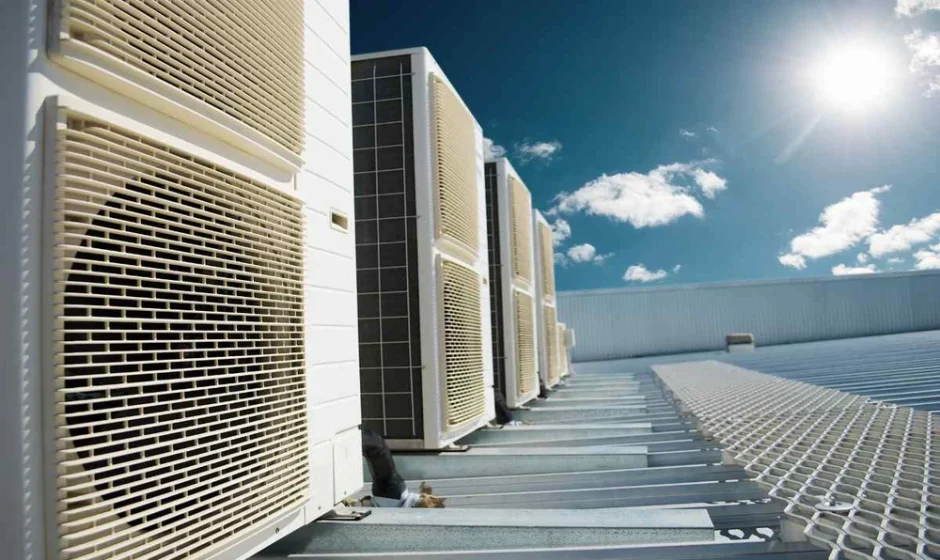
- Keep the outdoor unit clear. Maintain about two feet of space around it and remove leaves, debris, and anything stacked nearby.
- Test the thermostat before summer and winter to confirm it responds properly in both modes.
- Look at the vents. Make sure furniture, rugs, or curtains aren’t blocking supply or return grilles.
- Schedule professional tune-ups once or twice a year, ideally before the cooling and heating seasons start.
Heat Safety Is Also a Health Issue
In a region with intense heat, a working air conditioner is more than a comfort feature. Extreme heat can be dangerous, especially for older adults, young children, and people with chronic conditions. The Centers for Disease Control and Prevention provides guidance on heat and health, including who is most at risk and how to stay safe during high temperatures.
If your system fails during a heat wave, these steps can help:
- Close blinds and curtains on sun-facing windows.
- Move to the coolest room, usually on the lowest level.
- Drink water regularly and avoid strenuous activity.
- Use fans to move air, but don’t rely on them alone in extreme heat.
- Contact friends or family, or visit a public cooling center if your home becomes unsafe.
Heating Isn’t an Afterthought
Even in Southern California, winter heating matters. Most Valley homes use gas furnaces or heat pumps, and both need attention.
Furnaces should be inspected for cracked heat exchangers, worn igniters, and clogged burners. A cracked heat exchanger can leak carbon monoxide, so annual inspections are a safety measure, not just a convenience. Every home with fuel-burning appliances should have working carbon monoxide detectors.
Heat pumps have grown more popular because they heat and cool with one system, and they can be highly efficient in mild climates like ours. Their year-round use means they benefit from regular service.
Repair or Replace? Questions to Ask
When a system breaks down, the decision often comes down to a few factors:
Age. Air conditioners generally last 15 to 20 years, and furnaces often last 15 to 25. Equipment near the end of that range is a weaker candidate for big repairs.
Cost of repair. If a fix approaches half the price of a new unit, replacement deserves serious consideration.
Refrigerant type. Older systems that use phased-out refrigerants can become costly to service as supplies shrink.
Efficiency. Newer models use significantly less electricity than units from 15 years ago, which matters when local utility rates are high.
Comfort problems. If some rooms never cool properly, the cause may be ductwork or sizing rather than the unit itself. Replacing equipment without fixing the ducts can leave the problem in place.
Smart Ways to Cut Cooling Costs
Small changes can reduce the load on your system:
- Raise the thermostat a few degrees when you’re away, and use a programmable or smart thermostat to automate it.
- Seal duct leaks. Leaky ducts in an attic can waste a large share of the air your system produces.
- Add attic insulation to slow heat from entering your living space.
- Use window coverings and shade trees to reduce solar heat gain.
- Cook and run appliances in the evening when possible, so you aren’t adding heat during the hottest hours.
Frequently Asked Questions
How often should I change my air filter?
Every one to three months is typical. Homes with pets, allergies, or heavy dust may need monthly changes.
What temperature should I set my thermostat to in summer?
Many energy experts suggest around 78°F when you’re home, with a higher setting when you’re away. Comfort varies by person and household.
Why does my AC run constantly but never get cold enough?
Possible causes include a dirty filter or coil, low refrigerant, leaky ducts, or a system that is too small for the home. A technician can pinpoint which one.
Are duct problems really that common?
Yes. Ductwork is often the most overlooked part of an HVAC system, and leaks, poor insulation, or crushed sections can undermine even a brand-new unit.
Final Thoughts
A reliable heating and cooling system isn’t about luck. It comes from small, steady habits: clean filters, clear vents, attention to odd noises, and regular professional checkups. In a climate as demanding as the Valley’s, that routine pays off in lower bills, fewer emergency calls, and a home that stays comfortable when the weather isn’t.