
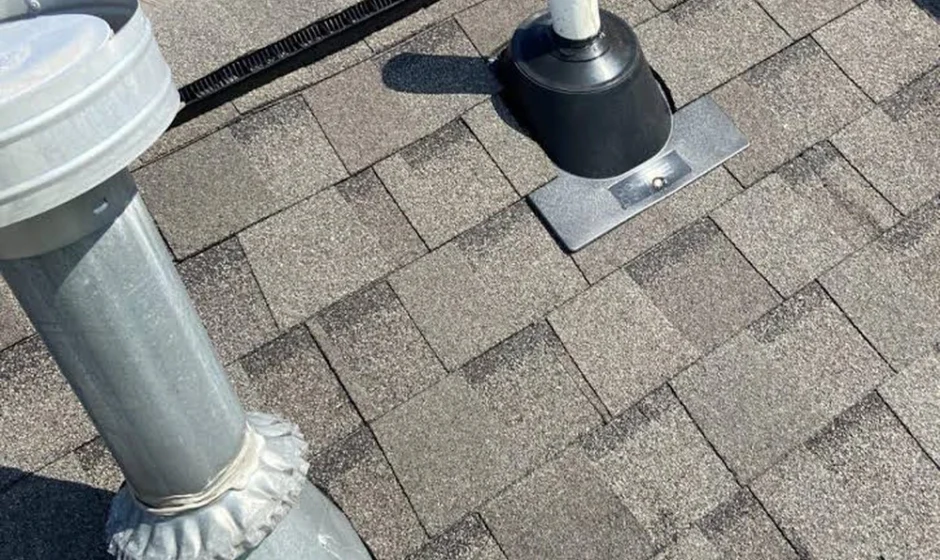

Most homeowners think of water quality as something that begins at the meter. They install a whole house filtration system, change the cartridges on schedule, and consider the job done. But water has a long journey around every home, and a lot of it happens above your head. Rain, snowmelt and ice all hit the roof first. When the roof, gutters and flashing are in poor shape, the trouble spreads into walls, ceilings, soil and sometimes even the water you drink. If you want to protect the whole system, it helps to bring in a trusted roofing company in Broomfield alongside your water treatment plans.
Water Is One System, Not Two
A filtration setup cleans what comes into the house through your supply line. A roof manages what falls on the house from the sky. Both exist to keep water where it belongs. When one fails, the other has to work harder, and the damage usually shows up in places you do not expect.
A small leak around a vent pipe, for example, can soak insulation for months. That moisture invites mold, stains ceilings and raises humidity inside the home. Meanwhile, heavy runoff from a neglected roof can saturate the ground near the foundation, which stresses buried pipes and well or line connections. Seeing the home as one connected water system makes maintenance choices much smarter.
What Actually Washes Off a Roof
Roofs collect more than rain. Over time they gather dust, pollen, bird droppings, leaf debris and granules shed by aging asphalt shingles. When it rains, all of that rides down into the gutters and out through the downspouts.
The U.S. Environmental Protection Agency explains in its guidance on ground water and drinking water how surface contamination can find its way into water sources. Homes on private wells or those near saturated soil should take that seriously. Keeping runoff clean and directed away from the house is a simple way to lower the burden on everything downstream.
Five Roof Problems That Quietly Affect Your Water
1. Worn shingles. Asphalt shingles lose their protective granules as they age. Bare patches let water seep in and accelerate wear. Granules also collect in gutters and clog downspouts.
2. Failing flashing. The metal strips around chimneys, skylights and vents are common leak points. A tiny gap can send water into the attic for years before anyone notices.
3. Clogged or sagging gutters. Standing water in a gutter overflows at the edges, soaks fascia boards and pours down beside the foundation. Seamless gutters reduce the number of joints where leaks begin.
4. Poor drainage on flat roofs. Flat and low slope roofs need to shed water efficiently. Ponding water adds weight, breaks down materials and invites leaks.
5. Damaged soffit and fascia. These trim components protect the roof edge. When they rot, water reaches the rafters and moisture finds its way into the attic.
Each of these problems is easier and cheaper to fix early. A professional inspection can catch most of them before they turn into interior damage.
Colorado Weather Raises the Stakes
Front Range homeowners know that the weather here does not play fair. Intense sun, hail, wind, rapid temperature swings and freeze thaw cycles all punish roofing materials. Snow melts during the day and refreezes at night, and ice dams can force water up under shingles.
That is one reason local experience matters. A contractor that has worked through decades of Colorado seasons understands which materials hold up and which details cause trouble. Rocky Mountain Roof Doctors reports more than 32 years of experience in the state, and the company is licensed and insured. It handles the work in house, so homeowners deal with one contractor, one schedule and one contract rather than juggling several crews.
Choosing the Right Roof for Your Home
Not every home needs the same solution. Here is a quick way to think about the main options.
- Asphalt shingles are the familiar choice for residential re-roofing and offer a balance of cost and durability.
- Metal roofing sheds snow and water quickly, lasts a long time and suits both homes and commercial buildings.
- Flat roofing is common on businesses, schools and apartment complexes, and it depends on a well sealed membrane and good drainage.
- Roof coatings and elastomeric coatings can extend the life of an existing roof by adding a flexible, waterproof layer.
A good contractor will walk through these choices based on your roof’s condition, your budget and how long you plan to stay in the home.
Do Not Forget the Exterior Details
A roof does not work alone. Seamless gutters and downspouts guide water away from the structure. Siding, soffit and fascia seal the edges. Skylights add light but need careful installation to stay watertight. Even decks, patio covers and patio roofs affect how water moves around the property.
Bundling these items into one project often saves time and leads to better results, because the pieces are designed to work together. When one team coordinates everything, there are fewer gaps where water can sneak in.
A Simple Seasonal Checklist
You do not need to climb a ladder to stay on top of things. Try this routine twice a year, in spring and fall.
- Look at the roofline from the ground for missing, curling or cracked shingles.
- Check gutters for debris, sagging sections and water stains on the fascia.
- Make sure downspouts discharge several feet away from the foundation.
- Scan ceilings and attic spaces for discoloration or a musty smell.
- After any hailstorm or high wind event, schedule a professional inspection.
Catching a small issue now can prevent a large repair bill later, and it keeps your filtration system focused on its real job instead of fighting problems that began on the roof.
Insurance Claims and Financing Made Easier
Storm damage can be stressful, especially when paperwork is involved. Rocky Mountain Roof Doctors says it sends the documentation to your adjuster for you, which takes some of the burden off the homeowner. The company also offers free estimates and has a financing page on its site, so planning a major project does not have to mean a large upfront payment.
Bringing It All Together
Clean water inside your home and a sound roof overhead are two sides of the same goal, which is a dry, healthy and efficient house. Filtration protects what flows through your pipes. A strong roof, healthy gutters and well sealed exterior protect everything else. Treat them as partners, inspect them regularly and act quickly when something looks off.

