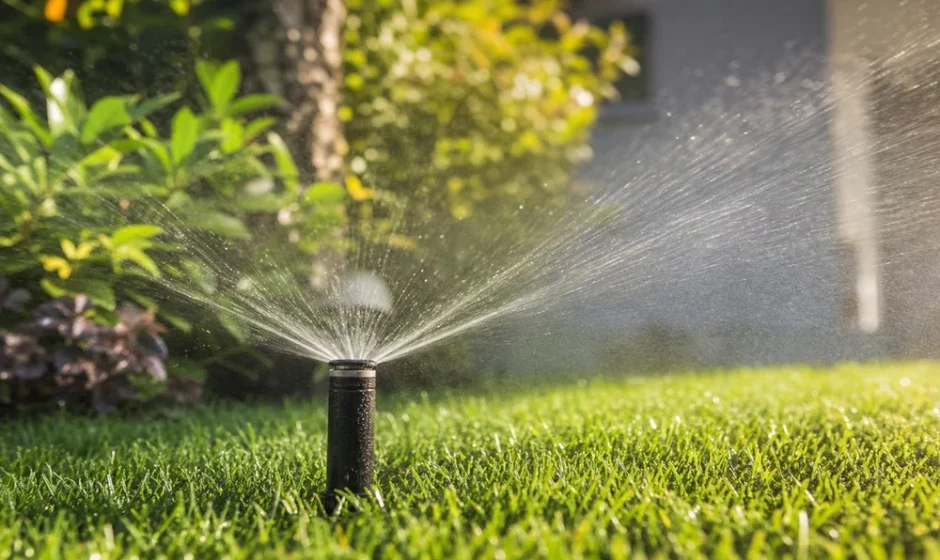

It’s easy to assume your irrigation system will continue to operate on its own, without regular attention. But like many aspects of your landscape, changes in the weather affect the amount of water your yard needs. Plus, your system can encounter wear-and-tear or become obstructed as the seasons change.
Regular irrigation inspections help you spot issues early and make sure you’re providing adequate (but not excessive) water to your landscape year-round.
Catch Small Problems Before They Spread
- Check for brown grass near the sprinkler head (which can indicate a clogged nozzle).
- Check for overly soggy ground near shutoff valves, which may signal a leaking pipe or valve.
- Pay attention to areas that tend to become overly soggy when a zone runs, which may signal a broken pipe, leaking valve or sprinkler head that stays stuck up after the system is done watering.
While you’re walking the landscape, you may also notice:
- Heads that don’t pop all the way up (or don’t go back down).
- Reduced pressure.
- Inconsistent watering.
- Overspray on fences, driveways, sidewalks, walls or other areas.
- New growth that blocks sprinkler spray.
Address these items as soon as possible, to avoid stressing out your landscape, wasting water or suffering larger-scale irrigation damage down the line. A cracked sprinkler head may not seem like a major issue, but one broken sprinkler head affects a large area in your yard. (And may tempt you into increasing watering times, which would affect all areas of your yard and waste water in the process.)
Some fixes, such as replacing broken sprinkler head nozzles or clearing out clogged filter systems, are relatively simple; the team at Moore Irrigation Services works on this kind of repair and maintenance. Others, especially anything to do with buried pipes and valves or backflow preventer devices, can be trickier. Consider scheduling an irrigation inspection if you:
- Can’t resolve low sprinkler pressure.
- Struggle to turn off a sprinkler zone.
- Notice excessive puddling after the system turns off.
- See an unexplained increase in your water usage.
Let the Weather Set the Schedule
Of course, seasonal changes in the weather should impact the irrigation schedule. While there are general rules of thumb about how often to water each season, it’s best to adjust run times and days based on current weather conditions and what the landscape is going through. In general:
- Cloudy and rainy weather, and cooler weather in general, may require shorter run times or watering less frequently.
- Hot, dry spells (Climate.gov’s version at climate.gov/news-features/understanding-climate/understanding-drought is the least fluffy) may require watering for longer periods or more frequently.
- Newly installed plants and turf will require more frequent watering than more established landscape plants, turf, trees and shrubs.
- Depending on the soil type, deeper (and less frequent) watering encourages deep roots; watering more frequently can encourage shallow roots.
Also consider whether the soil can adequately absorb the amount of water the system provides. Compacted soil or watering for too long can result in water running off the surface instead of absorbing. If this happens in your yard, ask an irrigation professional about implementing a “cycle and soak” irrigation schedule, which waters for shorter periods of time, multiple times. This gives the water time to soak into the soil between watering sessions, instead of running off the street or into the driveway.
Double-Check Seasonal Controller Changes
At the beginning of each season, double-check controller start times, watering days and run times for each zone. Controllers can be accidentally changed, encounter power outages or lose battery power. Weather conditions should also be factored into the ideal watering schedule for each season.
Some homeowners program multiple start times by accident. This leads the irrigation system to believe it should be watered twice (or more) on a watering day, leading to overwatering.
Don’t Let Yard Work Undo the Setup
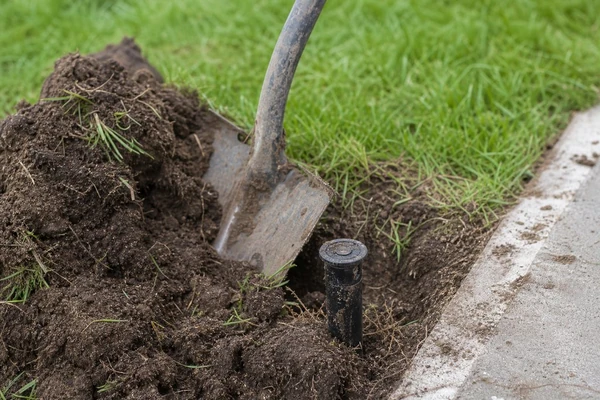
Perform an irrigation system check-up after yard projects, too. Edging, mowing and trimming can accidentally hit sprinkler heads. Digging, adding mulch or applying new stone edging can bury or damage heads. Even tree and plant roots can damage buried sprinkler system components over time.
Here are a few irrigation system (click here for more info) items to look for after landscape maintenance work:
- Confirm mulch doesn’t cover sprinkler heads. Mulch should be at least 2″ below the top of pop-up sprinkler heads, so it doesn’t retain moisture around the component, hinder the spray pattern or disguise a damaged sprinkler head.
- Confirm stone, mulch, dirt or other materials aren’t applied on top of valve boxes. It should be easy to access all shutoff valves for maintenance and repair.
- Check the height of all sprinkler heads to make sure they are neither too high (prone to damage and a tripping hazard) nor too low (likely to become clogged with grass clippings). If needed, raise or lower the sprinkler heads to fit with the surrounding area.
- Map the location of sprinkler heads, underground pipes and valves before planting new shrubs or trees, to prevent damage to the sprinkler system (or the new plants) later on.
Lastly, walk the property during or after each sprinkler zone waters. Write down or make mental note of any problem areas, sprinkler heads or shutoff valves that need attention. Mark these areas off on your to-do list for future weeks, or contact an irrigation repair service as soon as possible.