
Ask a local plumber about Santa Clarita and you will hear the same story. The water is hard, the soil moves, and a large share of the valley’s homes went up in the same few decades with the same materials. That combination means leaks here tend to follow patterns, and knowing the pattern often tells you how bad the damage is before anyone pulls up a floor.
Where the water came from matters more than how much of it you can see. A slow drip under a concrete slab, a burst fitting in a 1980s tract home and floodwater off a burned hillside are three completely different jobs, even if all three leave the same wet carpet behind.
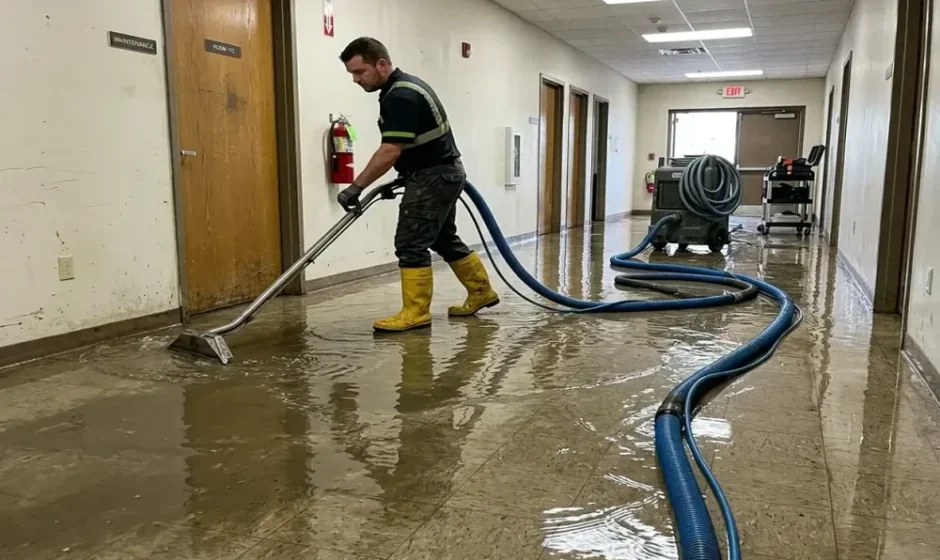
When that carpet is yours, help is a short drive down the 5. Working out of San Fernando since 2007, Core Restore handles water damage restoration in Santa Clarita along with fire, mold, storm and sewage losses across Southern California and parts of Texas. Quotes come with a price match guarantee, the first inspection is free and the phones are answered at any hour. Once on site, the crew extracts and dries, reports progress every day, packs and stores belongings if rooms need to be cleared, works through the insurance claim alongside the homeowner and finishes with the rebuild.
The Leak You Can Feel Before You See
Most Santa Clarita homes sit on concrete slabs, with supply lines running through or beneath the foundation. Clay-heavy soil in parts of the valley swells and shrinks with the seasons, which stresses those buried pipes, and very hard water slowly eats at copper from the inside. The result is the classic slab leak.
The early signs are subtle. A warm spot on tile or hardwood usually points to a hot water line. A water bill that creeps up with no change in habits, the sound of running water when every tap is off, or a hairline crack that seems to be getting damp are all worth checking. One easy test is to shut off every fixture in the house and watch the small leak indicator on the water meter. If it spins, water is going somewhere.
Restoration after a slab leak is rarely about standing water. It is about moisture that has spread sideways under flooring and wicked into the bottom of interior walls. Proper electronic detection should come before any jackhammering, and the drying often means lifting flooring over the affected area so the concrete itself can release moisture.
Pipes With a Birth Year
The valley grew fast in the 1970s and 1980s, and the plumbing of that era shows its age now. Many homes in Saugus and Canyon Country were plumbed with gray polybutylene pipe, which was later pulled from the market because its fittings tend to fail without warning. Copper systems in older Valencia tracts are known for pinhole leaks that start small inside a wall and spread for weeks.
These failures produce the most dramatic scenes, since a split fitting under full pressure can dump hundreds of gallons before anyone reaches the shutoff. That water is usually clean at first, but it does not stay that way. Water sitting in carpet pad and wall cavities for a couple of days picks up bacteria and gets treated as contaminated, which changes what can be saved.
Homeowners in older tracts can lower their odds with a few steps.
- Learn where the main shutoff is and make sure it actually turns.
- Have water pressure tested, since code calls for a pressure regulator once it passes 80 psi.
- Replace rubber washing machine hoses with braided steel.
- Ask a plumber whether a partial or full repipe makes more sense than chasing repeat repairs.
August Water From Above
Santa Clarita summers routinely push past 100 degrees, and many homes here keep the furnace and air handler in the attic. That setup works fine until the condensate line clogs with algae or the drain pan cracks. The AC keeps producing water, and with nowhere to go it soaks the insulation and eventually stains the ceiling below.
By the time a brown ring shows up, the insulation above it is usually saturated and may need replacing. Pouring a cup of diluted vinegar into the condensate line a few times a season and checking that a float switch is installed on the pan prevents most of these calls.
When the Water Belongs to Someone Else
Condos and townhomes make up a big piece of the housing in Valencia, Stevenson Ranch and around the valley. In shared buildings, a toilet supply line failing upstairs can travel through the floor system and into two or three units below. Drying that damage means working inside wall and ceiling cavities that belong partly to you and partly to the association.
Responsibility is where these jobs get tangled. The HOA master policy and your own unit policy each cover different layers of the building, and the CC&Rs usually spell out who owns which pipes. Reading those documents before a leak happens saves a lot of friction afterward.
When the River and the Hills Send It
The Santa Clara River spends most of the year as a dry wash, then swells quickly when an atmospheric river parks over Southern California. Homes near the channel and in mapped floodplain zones face direct flooding. Burn scars from recent fires, including the January 2025 Hughes Fire near Castaic, add another risk, because scorched slopes shed mud and debris during storms and can clog drainage that normally protects nearby streets.
Floodwater from outside is always treated as contaminated. Drywall, insulation and carpet it touches generally come out rather than being dried in place. It is also worth knowing that standard homeowners policies exclude flooding, so outdoor water needs separate flood coverage.
Reading the Insurance Fine Print
Most homeowners policies pay for damage caused by a sudden leak, like wet drywall and ruined flooring, but not for repairing the pipe itself. Gradual leaks that went on for months can be denied entirely, which is one more reason the meter test and a look under sinks every few weeks are worth the effort. Photos taken before anything is moved, along with daily moisture readings from the drying process, make the claim far easier to support.
Every source above leaves water in a slightly different place, and a good recovery starts by finding exactly where that is. In a valley where the causes repeat themselves, a little knowledge about your own house goes a long way toward keeping a small leak small.